10 Ways to Support Regenerative Efforts in Your Neighborhood
Imagine walking through your neighborhood and seeing flourishing gardens, lush green spaces, and a community deeply connected to the land. This vision represents regenerative efforts—practices that go beyond sustainability to actively restore and rejuvenate our local ecosystems, social networks, and economic systems.
Regenerative efforts in neighborhoods include various initiatives such as:
- Supporting farmers who improve soil health
- Designing outdoor spaces that seamlessly blend with our homes
These initiatives aim to heal rather than simply maintain, creating environments where both people and nature thrive together.
The positive effects of regenerative efforts extend to every aspect of community life:
- Environmental: Restored soil health, increased biodiversity, and cleaner air and water
- Social: Strengthened community bonds through shared purpose and collaborative projects
- Economic: Enhanced property values, reduced healthcare costs, and resilient local food systems
Your neighborhood has untapped potential for transformation. The question isn’t whether you can make a difference—it’s how you can support regenerative efforts in your neighborhood starting today.
Understanding Regenerative Efforts in Neighborhoods
Regenerative agriculture represents a fundamental shift from extractive practices to restorative ones. Rather than depleting resources, these methods actively rebuild what has been lost while creating abundance for future generations.
Core regenerative agriculture practices include:
- Cover crops that protect and enrich soil between growing seasons, preventing erosion while adding organic matter
- No-till farming that preserves soil structure and the intricate web of microorganisms living beneath the surface
- Composting that transforms waste into nutrient-rich amendments, closing the loop on organic materials
- Agroforestry that integrates trees with crops and livestock, creating diverse, resilient ecosystems
These practices work together to restore soil health—the foundation of all terrestrial life. Healthy soil captures carbon from the atmosphere, filters water naturally, and supports biodiversity from microscopic fungi to pollinating insects. When soil thrives, entire ecosystems strengthen.
Your home exists within this interconnected web. Eco-conscious living extends beyond the walls of your house into the landscape surrounding it. The design choices you make—native plantings that support local pollinators, permeable surfaces that allow rainwater to nourish the earth, outdoor spaces that blur the boundary between shelter and nature—contribute directly to neighborhood regeneration. When your property becomes a sanctuary for both people and wildlife, you’re participating in sustainable development that enriches your community’s ecological foundation.
1. Support Local Regenerative Farmers and Markets
Your weekly shopping choices hold remarkable power to transform your neighborhood’s ecological health. When you purchase from local food systems that prioritize regenerative farming, you’re investing in practices that actively restore rather than deplete the land. These farmers rebuild soil organic matter, increase water retention, and create habitats for beneficial insects and wildlife—turning their fields into thriving ecosystems.
Farmers markets become gathering places where your dollars speak directly to those stewarding the land. Each purchase from a regenerative farmer:
- Eliminates the need for long-distance transportation, dramatically reducing carbon emissions
- Keeps financial resources circulating within your community
- Provides farmers with fair compensation that enables continued investment in soil-building practices
- Ensures access to nutrient-dense foods grown in biologically rich soil
The connection between your kitchen and the land becomes tangible when you know the hands that grew your food and the methods they used to nurture it.
2. Participate in Community-Supported Agriculture (CSA) Programs
CSA programs create a direct partnership between you and regenerative farms in your area. By purchasing a seasonal share, you receive regular deliveries of fresh, nutrient-dense produce while providing farmers with guaranteed income before the growing season begins. This financial security allows farmers to focus on soil-building practices rather than market uncertainties.
Your CSA membership strengthens food security within your neighborhood. These programs ensure consistent access to vegetables, fruits, and sometimes eggs or dairy products grown without synthetic chemicals. The produce reaches your home within days—sometimes hours—of harvest, maximizing nutritional value and flavor. Each box becomes a tangible connection between your kitchen and the land that nourishes your family, transforming your home into a space where health and environmental stewardship naturally align.
3. Advocate for Values-Based Procurement Policies
Values-based procurement transforms how institutions source their supplies by prioritizing environmental sustainability alongside quality and cost. This approach shifts purchasing decisions toward eco-friendly products and services that align with regenerative principles, creating ripples of positive impact throughout your neighborhood.
Your voice matters when local schools, hospitals, and municipal facilities make purchasing decisions. Attend town halls or join community boards to champion sustainable sourcing policies that favor suppliers using regenerative practices. When institutions commit to buying from farms practicing soil regeneration or businesses minimizing packaging waste, they signal market demand for responsible production methods.
The environmental benefits extend beyond the products themselves. Choosing regional suppliers practicing regenerative agriculture dramatically reduces the carbon footprint associated with long-distance transport. A school district sourcing vegetables from a farm twenty miles away instead of across the country eliminates countless emissions while delivering fresher, more nutrient-dense food to students.
Start by researching your local institutions’ current procurement policies. Connect with decision-makers and present the compelling case for prioritizing regenerative suppliers. Your advocacy creates pathways for businesses committed to environmental responsibility to thrive while building a more resilient local economy.
4. Engage in or Organize Neighborhood Regenerative Projects
Community-led projects turn abstract environmental ideas into real improvements in the neighborhood. Imagine spending a weekend with your neighbors planting native trees along your street, creating shade canopies that naturally cool homes while providing habitats for wildlife. These neighborhood sustainability initiatives include establishing community gardens based on permaculture principles—where companion planting and natural pest management replace chemical inputs—and organizing ecological restoration efforts to revive local waterways or meadows.
Green spaces become outdoor extensions of your home, expanding your living environment beyond four walls. A thriving community garden offers fresh herbs steps from your door, while tree-lined streets create natural corridors for morning walks. These spaces increase property values while nurturing the connection between your indoor sanctuary and the natural world outside.
Shared environmental goals build unexpected bonds between neighbors. Working soil together, celebrating harvest festivals, or witnessing native plants attract butterflies creates memories that strengthen community fabric. These projects invite collaboration across age groups and backgrounds, united by the vision of a healthier, more vibrant neighborhood ecosystem.
5. Support Technical Assistance Programs for Farmers
The shift from conventional to regenerative agriculture requires more than good intentions—it demands knowledge, resources, and community support. Farmer support programs provide the technical backbone that makes this transformation possible, offering education on soil biology, cover cropping strategies, and integrated pest management.
Your neighborhood can champion these initiatives by:
- Advocating for local agricultural extension services
- Donating to organizations that provide regenerative transition assistance
- Connecting farmers with educational workshops
When communities rally behind agricultural education programs, they invest in long-term ecosystem health and farm viability. These programs help farmers navigate the financial risks of transitioning away from chemical-dependent systems while building resilience into their operations.
By supporting technical assistance, you’re not just helping individual farms thrive—you’re strengthening the foundation of your local food system and ensuring that regenerative practices become accessible to farmers of all scales and experience levels.
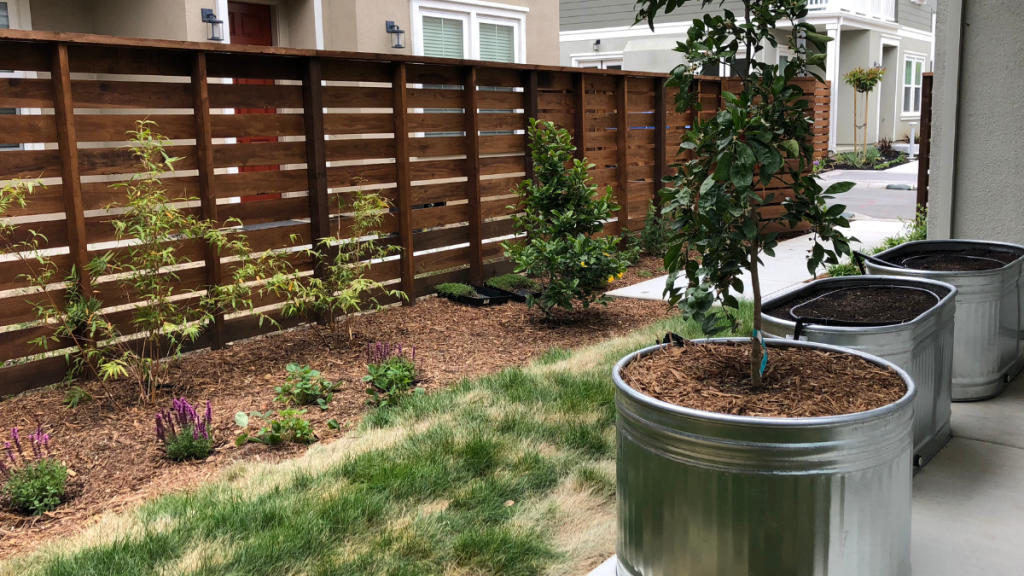
6. Promote Eco-Conscious Home and Outdoor Space Design
Your home is more than just a house. Biophilic design turns properties into living ecosystems that benefit both people and the planet. Here are some ways it does so:
- Native plants reduce water usage by up to 50% compared to traditional landscaping while providing habitat for pollinators and local wildlife.
- Rain gardens capture stormwater runoff, filtering pollutants before they reach waterways.
- Permeable hardscaping allows water to naturally replenish groundwater.
Sustainable landscaping creates outdoor spaces that encourage a connection with nature—areas where your family comes together, children explore, and well-being thrives. Here are some design choices that can help achieve this:
- Edible gardens
- Composting systems
- Natural pest management
These choices not only show your commitment to the environment but also lower household costs.
Properties with eco-friendly home upgrades sell for higher prices. Buyers are increasingly looking for homes that align with their values: spaces designed for health, sustainability, and authentic living. By investing in regenerative design, you not only benefit yourself but also inspire your neighbors and improve the overall standard of your neighborhood.
7. Educate Yourself and Your Neighbors on Regenerative Practices
Knowledge transforms intention into action. When you understand how regenerative practices restore soil health, sequester carbon, and build resilient ecosystems, you make choices that ripple through your entire neighborhood. Environmental education creates a foundation for meaningful change—turning abstract concepts into tangible steps you can implement in your own yard and share with those around you.
Host Gatherings to Explore Sustainable Living Knowledge
Host informal gatherings where neighbors explore sustainable living knowledge together. Share articles about composting techniques, demonstrate water-harvesting systems in your garden, or organize film screenings about regenerative agriculture. These moments of community awareness build collective understanding and inspire others to reimagine their relationship with the land beneath their feet.
Empowered with Information
Empowered with information, you and your neighbors can:
- Identify native plant species that support local pollinators
- Understand soil biology and its connection to human health
- Recognize regenerative products when shopping locally
- Advocate for sustainable policies with confidence
When you invest time in learning—and teaching—you create a neighborhood where informed decisions become second nature, where every homeowner sees their property as part of a larger living system.
8. Support Local Businesses That Prioritize Sustainability
Your purchasing decisions shape the marketplace. When you choose sustainable businesses that prioritize environmental responsibility, you send a powerful signal about what matters to your community. Every dollar spent at a local café sourcing regeneratively-grown coffee or a hardware store carrying eco-friendly products creates momentum for change.
These businesses often partner with regional suppliers who employ regenerative practices, creating a network of local economy support that keeps resources circulating within your neighborhood. A bakery using flour from nearby regenerative wheat farms doesn’t just reduce transportation emissions—it invests in soil health that benefits the entire watershed.
The connection runs deeper than transactions. When businesses adopt sustainable operations—from composting food waste to installing solar panels—they model possibilities for residential properties. Your favorite restaurant’s rainwater harvesting system might inspire your own home design. Their commitment to eco-friendly products demonstrates that environmental stewardship and economic viability can coexist beautifully.
How You Can Support Regenerative Efforts in Your Neighborhood through business patronage:
- Ask retailers about their sourcing practices and supplier relationships
- Share positive experiences with sustainability-focused businesses on social media
- Request eco-conscious options from businesses you already frequent
- Choose service providers who demonstrate environmental values in their operations
9. Invest in Eco-Friendly Real Estate with Regenerative Features
Your investment choices shape the neighborhoods of tomorrow. Eco-friendly real estate represents more than a trend—it’s a fundamental shift in how we value our living spaces. Properties featuring native landscaping, water conservation systems, and biophilic design elements command premium prices while supporting ecosystem restoration.
Wellness-driven properties attract buyers who understand that home environments directly impact health and happiness. When you choose real estate with regenerative features, you create market signals that encourage developers to prioritize sustainable building practices. Your investment becomes a vote for neighborhoods where clean air, thriving soil, and abundant green spaces are standard.
The ROI on sustainable upgrades extends beyond financial returns. Rain gardens that manage stormwater, permaculture landscapes that produce food, and energy-efficient systems that reduce carbon footprints all contribute to neighborhood resilience. Developers and investors who champion these features don’t just build properties—they cultivate communities where environmental stewardship and property value appreciation work in harmony.
10. Foster Partnerships Between Healthcare Providers and Local Food Systems
The health of your community is not just about individual well-being; it is also closely linked to the food systems that provide nourishment. Healthcare partnerships with regenerative farms offer effective solutions to food insecurity while also benefiting local ecosystems. For example, organizations like 4P Foods are successfully implementing this model by delivering fresh local produce to those in need, effectively connecting medical care with preventive nutrition.
When healthcare providers prescribe fresh, regeneratively-grown food as medicine, they address the underlying causes of chronic illness while supporting farmers who practice sustainable agriculture. These collaborations have the potential to revolutionize how communities access healthy food:
- Medical institutions buying directly from local regenerative farms
- Food prescription programs that link patients with Community Supported Agriculture (CSA) shares
- Community health centers hosting farmers’ markets
This integration creates a cycle of healing—healthy soil produces nutrient-rich food, which in turn leads to healthier individuals who invest in regenerative practices that restore the environment and promote well-being for all.
Final Thoughts
Every action you take—from choosing a CSA box to advocating for sustainable procurement—ripples through your neighborhood, creating waves of positive change. Community empowerment begins when individual choices align with shared values, transforming isolated efforts into a powerful movement toward sustainable neighborhoods.
Your home and the spaces around it hold immense potential. When you prioritize environments that reflect your deepest values, you’re not just enhancing your own wellness—you’re contributing to a regenerative future that benefits everyone. The connection between your personal sanctuary and the broader ecosystem isn’t abstract; it’s tangible, measurable, and profoundly impactful.
How you can support regenerative efforts in your neighborhood starts with recognizing that your voice, your purchases, and your property decisions matter. Each thoughtful choice strengthens the fabric of ecological balance and community health. The path to meaningful change doesn’t require perfection—it requires intention, partnership, and the courage to envision what’s possible when we work together toward a thriving, regenerative world.

Diego Torrelio
Founder & CEO